
Level: B2
Reading | Vocabulary | Activities | Speed Challenge | Questions | AI Prompts | Discussion | Language Focus | Resources
Printable: Student handout (PDF) | Teacher’s key (PDF)
Reading
Every season, magazines and websites announce what people will wear next. The clothes in this lesson appeared on runways in New York, London, Milan, and Paris in February and March 2026. They are meant for the northern winter, which the industry calls Fall/Winter 2026-27. The reading is based on reports from Marie Claire, Who What Wear, Coveteur, and other outlets. These reports are editors’ interpretations, not measurements of what shoppers buy, and they often disagree. Where several reports agree, this lesson says so.
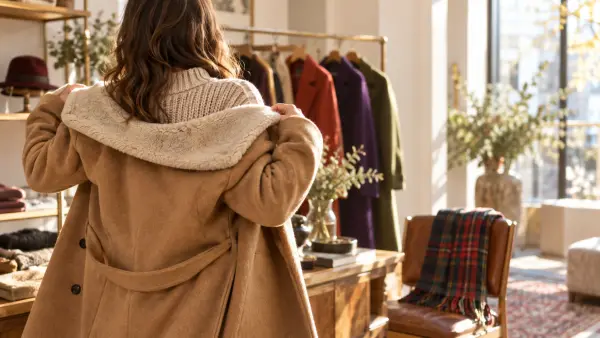
Outerwear is one of the clearest themes. Marie Claire’s style director wrote that on some runways the coat was so strong that the outfit under it hardly mattered, with plush fur collars, sweeping wool overcoats, and generous proportions. Who What Wear, however, described coats at Prada and Jil Sander that were cut so close to the body that they looked almost a size too small. Both reports can be true, because they describe different collections. A second theme was layering. At Prada, fifteen models each walked four times, and one piece was removed every round to show a new outfit underneath.
Sharp tailoring returned in several reports. Coveteur listed skirt suits at Ferragamo, Tom Ford, and Jil Sander, and Who What Wear called them one of the most versatile trends of the season. Who What Wear also reported a revival of tuxedo dressing, with Anthony Vaccarello at Saint Laurent paying homage to Le Smoking, the tuxedo suit that Yves Saint Laurent first showed in 1966. Reports disagree about the shape, though. Who What Wear said that very fitted silhouettes are returning and oversized shapes are shrinking, while Marie Claire said the most modern tailoring has softer proportions and a lived-in feel.
Texture appeared in several reports. Coveteur described a Bottega Veneta collection full of fur, pile, shearling, and fringe. Marie Claire wrote about tapestry-like brocades and faux fur that looked and felt as plush as the real thing, and it described some fabrics as tactile, meaning they invite touch. It also noted sculptural ruffles. Who What Wear gathered embellished coats and beaded gowns under the label “modern heirlooms,” clothes designed to be kept for many years. Fur alone tells you little about the material: Schiaparelli, according to Who What Wear, combined printed bottoms made to look like fur with coats made from real fur. Marie Claire also reported heritage knitwear and called the Fair Isle sweater a classic cold-weather staple that had returned at Altuzarra, Khaite, and Marni.
Color reports are less consistent. Pantone, a company that publishes color forecasts, released its palette for New York Fashion Week in February 2026. It described subdued earth tones and neutrals alongside a few daring bright shades. Marie Claire wrote that Alaïa, Balenciaga, and Hermès dressed models in saturated tomato red from head to toe. Who What Wear said purple appeared in practically every show. Wallpaper magazine wrote that black took over the runways, while The Zoe Report called Milan loud and candy-colored. Plaid gave outfits a distinctive look: Coveteur called plaid, tartan, and check one of the biggest trends, from shirts at Chloé to fur-trimmed tartan coats at Burberry.
Some reported trends are small details. Coveteur described the “useless belt,” a belt worn loosely for decoration instead of to hold clothes up, as ever-present in Milan. Yet the same website used the term for the spring 2026 season, and FASHION magazine wrote about the return of the “unnecessary belt” in 2023. A detail that keeps coming back is not new, and giving it a name may be one way to make it feel new.
None of these reports measures sales. Who What Wear itself notes that looks that reach magazine covers do not always end up in shoppers’ carts. Brigitte Chartrand, chief buying and merchandising officer at the online luxury retailer Net-a-Porter, named seven trends her store was backing, including embellished occasionwear and extremely high thigh-high boots. None of the reports read for this lesson includes sales figures for any of them.
Vocabulary
Each word has a frequency score, a rank, and a tag. The score shows how common the word is in modern English: higher means more common, and each full point means roughly ten times more common. The rank is the word’s position on a list of about 321,000 English word forms, from most to least common. The tag shows where you are most likely to meet the word: Current, Formal, Literary, or Dated. The paragraph number shows where the word first appears in the reading. The labels are information, not instructions. Deciding which words are worth your time is up to you. How to read the scores, ranks, and tags.
layering (noun): wearing several pieces of clothing on top of each other.
Frequency: 2.99 | Rank: 29,270 | Current | Paragraph 2
Translations: 叠穿 | 重ね着 | 레이어링 | परतों में पहनना | ارتداء طبقات | многослойность | superposición de capas | superposition
- At Prada, layering was the base of the whole collection.
- Layering is a practical way to stay warm on a changeable day.
tailoring (noun): the skill or style of making clothes that fit the body precisely.
Frequency: 3.05 | Rank: 27,150 | Formal | Paragraph 3
Translations: 剪裁 | テーラリング | 테일러링 | दर्ज़ीगीरी | خياطة | кройка | sastrería | coupe tailleur
- Sharp tailoring returned in several reports.
- She paid extra for tailoring so that the jacket fitted perfectly.
versatile (adjective): able to be used in many different situations.
Frequency: 3.66 | Rank: 11,870 | Current | Paragraph 3
Translations: 多用途的 | 万能な | 다용도의 | बहुमुखी | متعدد الاستخدامات | универсальный | versátil | polyvalent
- Who What Wear called skirt suits one of the most versatile trends.
- A plain black jacket is versatile enough for work or dinner.
revival (noun): a new period of popularity for something old.
Frequency: 3.93 | Rank: 7,910 | Current | Paragraph 3
Translations: 复兴 | 復活 | 부활 | पुनरुद्धार | إحياء | возрождение | resurgimiento | renouveau
- Who What Wear reported a revival of tuxedo dressing.
- The 1990s revival brought baggy jeans back to the shops.
silhouettes (noun, plural): the overall outlines or shapes of clothes on the body.
Frequency: 2.86 | Rank: 34,504 | Current | Paragraph 3
Translations: 轮廓 | シルエット | 실루엣 | आकृति (सिल्हूट) | الخطوط العامة | силуэты | siluetas | silhouettes
- Who What Wear said very fitted silhouettes are returning.
- The designer likes long, narrow silhouettes.
faux (adjective): made to look like a natural material but not real.
Frequency: 3.55 | Rank: 13,897 | Current | Paragraph 4
Translations: 人造的 | 人工の | 인조의 | कृत्रिम | صناعي | искусственный | sintético | synthétique
- Marie Claire wrote about faux fur that looked as plush as the real thing.
- She bought a faux leather bag because it was much cheaper.
tactile (adjective): related to the sense of touch, or pleasant to touch.
Frequency: 3.10 | Rank: 25,367 | Formal | Paragraph 4
Translations: 触感的 | 触感の | 촉각적인 | स्पर्श संबंधी | ملموس | тактильный | táctil | tactile
- Marie Claire described some fabrics as tactile and expressive.
- The museum has a tactile exhibit that visitors can touch.
sculptural (adjective): having a strong three-dimensional shape like a sculpture.
Frequency: 2.90 | Rank: 32,798 | Formal | Paragraph 4
Translations: 雕塑感的 | 彫刻的な | 조각 같은 | मूर्तिकला जैसा | نحتي | скульптурный | escultural | sculptural
- Marie Claire also noted sculptural ruffles on some dresses.
- The lamp has a sculptural shape, like a piece of modern art.
embellished (adjective): decorated with extra details such as beads or embroidery.
Frequency: 3.09 | Rank: 25,751 | Formal | Paragraph 4
Translations: 装饰的 | 装飾された | 장식된 | अलंकृत | مزخرف | украшенный | adornado | orné
- Who What Wear gathered embellished coats and beaded gowns under one label.
- She wore an embellished jacket covered in tiny mirrors.
heritage (noun, used as adjective): traditional, and connected to the history of a place or a brand.
Frequency: 4.36 | Rank: 3,875 | Current | Paragraph 4
Translations: 传统的 | 伝統的な | 전통의 | विरासत का | تراثي | традиционный | tradicional | de patrimoine
- Heritage knitwear was also reported at several shows.
- The company is proud of its heritage as a family workshop.
staple (noun): a basic item that people use or wear regularly.
Frequency: 3.68 | Rank: 11,541 | Current | Paragraph 4
Translations: 基本款 | 定番アイテム | 기본 아이템 | मुख्य वस्तु | أساسي | базовая вещь | básico | basique
- Marie Claire called the Fair Isle sweater a classic cold-weather staple.
- Rice is a staple of the diet in many countries.
palette (noun): a set of colors chosen to be used together.
Frequency: 3.74 | Rank: 10,519 | Current | Paragraph 5
Translations: 配色 | パレット | 팔레트 | रंग-पट्टिका | لوحة ألوان | палитра | paleta | palette
- Pantone released its palette for New York Fashion Week in February 2026.
- The room uses a warm palette of browns and creams.
subdued (adjective): quiet, soft, and not bright or strong.
Frequency: 3.37 | Rank: 17,813 | Formal | Paragraph 5
Translations: 柔和的 | 抑えた | 차분한 | मंद | هادئ | приглушённый | apagado | discret
- Pantone described subdued earth tones alongside a few daring bright shades.
- The restaurant has subdued lighting and soft music.
saturated (adjective): (of a color) very strong and deep.
Frequency: 3.66 | Rank: 11,870 | Current | Paragraph 5
Translations: 饱和的 | 彩度の高い | 채도가 높은 | संतृप्त | مشبّع | насыщенный | saturado | saturé
- Marie Claire wrote about saturated tomato red worn from head to toe.
- The photograph uses saturated blues and greens.
distinctive (adjective): easy to recognize because it is different from other things.
Frequency: 4.00 | Rank: 7,121 | Current | Paragraph 5
Translations: 独特的 | 独特の | 독특한 | विशिष्ट | مميز | характерный | distintivo | distinctif
- Plaid gave outfits a distinctive look.
- The singer has a distinctive deep voice.
Activity Page
Open the activity page in a new tab
Speed Challenge
Answer 12 questions against the clock. Every wrong answer adds 5 seconds, and the lowest score wins. Open the speed challenge in a new tab.
Comprehension Questions
- According to the reading, where and when did the clothes in this lesson appear, and what kind of reports describe them?
- What is the difference between the coat reports from Marie Claire and Who What Wear, and why can both be true?
- What happened at the Prada show, and how does it relate to the theme of layering?
- Which fashion houses and designers does the reading connect with tailoring, and what does it say about the revival of Le Smoking?
- How do Who What Wear and Marie Claire disagree about the shape of tailoring, and what does the writer conclude about trends from this disagreement?
- Why does the reading say that fur alone tells you little about the material of a garment?
- What is meant by “modern heirlooms,” and which fabrics and decorations does the reading connect with this idea?
- The reading says color reports are “less consistent.” Describe the different color claims and explain what this suggests about how reliable any single report is.
- Why does the writer point out that the “useless belt” has been reported before, and what might this suggest about how trend reports use names?
IELTS-Style Questions
- True, False, or Not Given: “The reports used for this lesson agree that coats should be oversized.” Explain your answer using evidence from the reading.
- Yes, No, or Not Given: “The writer believes that fashion reports are worthless.” Explain your answer using evidence from the reading.
- Author’s purpose: Why does the writer end by saying that none of the reports includes sales figures? Is its purpose to warn readers about a limit of the reports, to criticize fashion writers, or something else?
AI Discussion Prompt
I just read a lesson about fashion trends for Fall/Winter 2026-27. It covered statement coats and layering, a return of tailoring and skirt suits, texture such as faux fur, brocade, and knitwear, color reports that name different favorites, the recurring “useless belt,” and the fact that trend reports do not include sales figures. I am an English learner at about B2 level. Please ask me one question at a time, starting with what I usually wear in cold weather. Respond to my ideas first, then briefly correct any language errors, and encourage me to describe clothes using words like tailoring, versatile, palette, and distinctive.
AI Vocabulary Prompt
I want to practice vocabulary from a lesson about fashion trends. Please quiz me on the following words one at a time, using a mix of question types: multiple choice, true/false, and sentence completion. Give me feedback after each answer before moving on, and bring back the words I miss later. Here are the words: layering, tailoring, versatile, revival, silhouettes, faux, tactile, sculptural, embellished, heritage, staple, palette, subdued, saturated, distinctive.
Discussion Questions
- What do you usually wear in cold weather? Which of the trends in the reading would you actually wear?
- Do you prefer big, loose coats or fitted coats? What do you like about your choice?
- Which do you notice more when you meet someone: the shape of their clothes, the color, or the texture?
- Do you like to layer clothes? What is your favorite combination for a cold day?
- Where do you learn about new styles: shops, social media, friends, magazines, or somewhere else?
- The reading says fur on the runway can be real or faux. How do you feel about using real fur, faux fur, or neither in clothes?
- What are the most important colors in the clothes that people wear in your country in winter? Do you think they change from year to year?
- Pantone and other companies suggest colors for a season. Should an organization be able to influence what colors people wear?
- The reading says the reports do not include sales figures. What information would you want before believing a trend report?
- Do you think clothes should be bought for many years or for one season? What are the advantages of each choice?
- Some reports in the reading disagree with each other. How do you decide which source to trust when experts disagree?
- The “useless belt” has no practical use. Is fashion only useful if it is practical, or can decoration be a good enough reason?
- Fashion companies show winter clothes in February and March, months before the season. Does that seem a sensible system? Why or why not?
- Do you think following trends helps people express themselves, or does it make them look the same? Give reasons.
Language Focus: Compound Adjectives with Hyphens
What it is: A compound adjective joins two or more words with a hyphen to describe a noun: a noun or adjective + a participle or another word, placed before the noun. The first part is not made plural, even when the noun is plural.
Why writers use it: Fashion writing, news reports, and product descriptions use compound adjectives to pack detail into a short phrase. They are a useful way to make your own descriptions more compact.
Examples from the reading:
- “…tapestry-like brocades…”
- “…a classic cold-weather staple…”
- “…fur-trimmed tartan coats at Burberry.”
- “…the most modern tailoring has softer proportions and a lived-in feel.”
Practice task: Rewrite the underlined idea as a hyphenated adjective before the noun: “She wore a dress that reaches the floor.”
(Example answer: “She wore a floor-length dress. Note that the first part stays singular even when the number is more than one: a five-year-old coat, not a five-years-old coat.”)
Recommended Resources
- The Biggest Fall 2026 Fashion Trends, According to the Runways (Marie Claire). A six-part trend report that covers the statement coats, tailoring, knitwear, and textures described in paragraphs 2 to 4.
- 10 Trends Set to Define Fall 2026 Fashion (Who What Wear). A ten-part report that includes the layering, fitted tailoring, Le Smoking, and purple trends mentioned in the reading.
- The Fall/Winter 2026 Runway Trend Report (Coveteur). A report on the runway shows, with the texture, plaid, and fur themes described in paragraphs 4 and 5.
- Pantone NYFW Colour Palette for AW26 Is Invigorating and Refreshing (FashionUnited). A news report on the Pantone color report released in February 2026, described in paragraph 5.
- Why Did the Colour Black Take Over This Season’s Runways? (Wallpaper). A magazine feature on black clothing in Autumn/Winter 2026. Compare it with the colorful reports in paragraph 5.