
Conditional यह बताते हैं कि अगर कोई बात सच हो तो क्या होगा। आप जो काल चुनते हैं, वह दिखाता है कि आप स्थिति को कितना वास्तविक मानते हैं: एक तथ्य, एक वास्तविक संभावना, एक कल्पित स्थिति, या ऐसा अतीत जो बदल नहीं सकता। इस विषय का एक भाग वास्तविक स्थितियों के बारे में है, दो भाग अवास्तविक स्थितियों के बारे में हैं, और दो में दोनों हैं। इस गाइड के पाँच भाग हैं, जो निदान परीक्षा के पाँच भागों से ठीक मेल खाते हैं।
अंग्रेज़ी गाइड पढ़ें → यह पेज मशीन अनुवाद है और किसी मूल भाषी ने इसकी जाँच नहीं की है, इसलिए इसमें गलतियाँ हो सकती हैं। अंग्रेज़ी संस्करण ही आधार है।
आपका निदान परिणाम बताता है कि किस भाग को दोहराना है। नीचे उस भाग पर टैप करें।
मुख्य विचार: स्थिति कितनी वास्तविक है?
आप जो काल चुनते हैं, वह पाठक को बताता है कि आप स्थिति के होने की कितनी संभावना मानते हैं। काल बदलने पर वही if वाला वाक्य अलग अर्थ देता है।
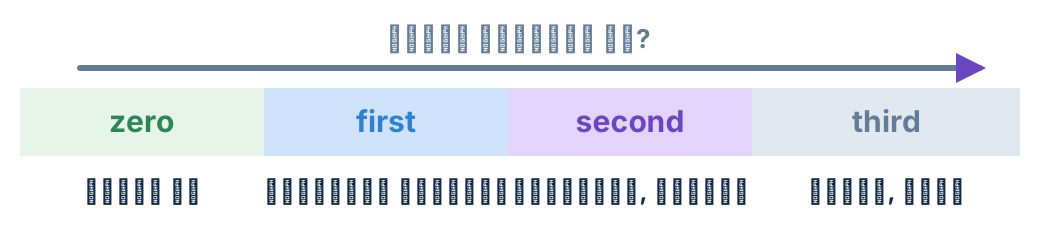
| प्रकार | if उपवाक्य | परिणाम | उदाहरण |
|---|---|---|---|
| zero | सामान्य वर्तमान (present simple) | सामान्य वर्तमान (present simple) | If you heat ice, it melts. |
| first | सामान्य वर्तमान (present simple) | will + base verb | If it rains, we will stay home. |
| second | सामान्य भूतकाल (past simple) | would + base verb | If I had time, I would help. |
| third | पूर्ण भूतकाल (past perfect) | would have + participle | If I had known, I would have called. |
| mixed | past perfect या past simple | would or would have | If I had studied, I would be a doctor now. |
- 1
क्या यह सच है, या सचमुच हो सकता है? zero या first conditional का प्रयोग करें। क्या यह कल्पित है? second का प्रयोग करें (भाग 1)।
- 2
क्या हर आधा हिस्सा अभी के बारे में है या अतीत के बारे में? second, third या mixed conditional चुनें (भाग 2)।
- 3
कौन-सा जोड़ने वाला शब्द ठीक बैठता है? If, when, unless या in case, सभी में भविष्य के लिए वर्तमान काल (भाग 3)।
काल दिखाता है कि बोलने वाला स्थिति को कितना वास्तविक मानता है। भाग 4 यही विचार इच्छाओं और पछतावों पर लागू करता है, और भाग 5 बिना if के औपचारिक रूपों को समझाता है।
वास्तविक या कल्पित?
क्या यह वास्तविक संभावना है या सिर्फ़ कल्पना? काल बताता है।
नियम: काल बताता है कि स्थिति के होने की कितनी संभावना है: वास्तविक संभावनाओं और तथ्यों के लिए if के साथ वर्तमान, फिर will या वर्तमान; कल्पित बातों के लिए if के साथ भूतकाल, फिर would।
एक ही स्थिति, वास्तविकता के दो स्तर
| अर्थ | ढाँचा | उदाहरण |
|---|---|---|
| fact (zero) | if + present simple, present simple | If you heat ice, it melts. |
| real possibility (first) | if + present simple, will + base verb | If I get the job, I will move to Busan. |
| imagined (second) | if + past simple, would + base verb | If I got the job, I would move to Busan. |
| advice | if I were you, I would | If I were you, I would apologize. |
कहें
If it rains, we will stay home.
If I had more time, I would learn Spanish.
नहीं
If it will rain, we will stay home.If I would have more time, I would learn Spanish.
यहाँ if के बाद का past simple अतीत का अर्थ नहीं देता। इसका मतलब है कि बोलने वाला स्थिति को कल्पित या असंभाव्य मानता है।
इस भाग की आम गलतियाँ
- if उपवाक्य में will
If the weather will be nice on Sunday, we will go hiking.✓ If the weather is nice on Sunday, we will go hiking.वास्तविक योजना में if के बाद present simple आता है। - अर्थ के हिसाब से गलत conditional
I don't have a dog, but if I have one, I would walk it every morning.✓ I don't have a dog, but if I had one, I would walk it every morning.कल्पित स्थिति में past simple आता है। - गलत काल-जोड़ी
If you boil an egg for ten minutes, it would become hard.✓ If you boil an egg for ten minutes, it becomes hard.सामान्य तथ्य में दोनों हिस्सों में present simple आता है।
और: if I was, और if के बाद will
कई मूल अंग्रेज़ी भाषी अनौपचारिक बोलचाल में if I was you कहते हैं। लिखने और परीक्षाओं में were का प्रयोग करें। Will तब if के बाद आ सकता है जब उसका अर्थ इच्छुक होना (be willing) हो, या जब परिणाम समय में पहले आता हो। उदाहरण:If you will wait here, I’ll get the manager,If it will help, I’ll stay late।
कौन-सा समय?
क्या वाक्य का हर आधा हिस्सा अभी के बारे में है या अतीत के बारे में?
नियम: हर हिस्से को उसके अपने समय से जोड़ें: अतीत की शर्त में had के साथ क्रिया का तीसरा रूप, अभी के परिणाम में would के साथ क्रिया का मूल रूप, और अतीत के परिणाम में would have के साथ क्रिया का तीसरा रूप आता है।
समय वाला सवाल दो बार पूछें
| शर्त | परिणाम | ढाँचा | उदाहरण |
|---|---|---|---|
| अभी | अभी | if + past simple, would + base verb | If I had a car, I would drive. |
| अतीत | अतीत | if + past perfect, would have + participle | If I had known, I would have called you. |
| अतीत | अभी | if + past perfect, would + base verb | If I had studied medicine, I would be a doctor now. |
| अभी | अतीत | if + past simple, would have + participle | If I were braver, I would have spoken up yesterday. |
now, today, yesterday और last year जैसे समय बताने वाले शब्द देखें। वे बताते हैं कि हर हिस्से को कौन-सा ढाँचा चाहिए। Would if उपवाक्य में नहीं आता: If I would have known गलत है।
Would have, could have, might have
| Modal | अर्थ | उदाहरण |
|---|---|---|
| would have | निश्चित परिणाम | If I had left earlier, I would have caught the train. |
| could have | संभव परिणाम | If I had left earlier, I could have caught the train. |
| might have | अनिश्चित परिणाम | If I had left earlier, I might have caught the train. |
इस भाग की आम गलतियाँ
- if उपवाक्य में would
If I would have seen the message, I would have replied.✓ If I had seen the message, I would have replied.if उपवाक्य में past perfect आता है, would have नहीं। - गलत ढाँचे वाला mixed conditional
If I had taken the earlier flight, I would have been in Rome now.✓ If I had taken the earlier flight, I would be in Rome now.अभी के लिए would के साथ क्रिया का मूल रूप चाहिए। - गलत तरीके से बना third conditional
If they had invited me, I would have went.✓ If they had invited me, I would have gone.Would have के बाद क्रिया का तीसरा रूप आता है।
If, when, unless और in case
कौन-सा शब्द अर्थ के अनुसार ठीक है: if, when, unless या in case?
नियम: if, when, unless, as long as और in case के बाद भविष्य के लिए present simple आता है। जिसकी आप उम्मीद करते हैं उसके लिए when, जो हो भी सकता है उसके लिए if, if not के लिए unless, और एहतियात के लिए in case का प्रयोग करें।
अर्थ के हिसाब से शब्द चुनें
| शब्द | अर्थ | उदाहरण |
|---|---|---|
| when | आप उसके होने की उम्मीद करते हैं | When the game ends, we’ll get dinner. |
| if | वह शायद न हो | If the game ends early, we’ll get dinner. |
| unless | अगर नहीं | Unless you hurry, you will miss the bus. |
| as long as, provided that | केवल तभी जब | You can borrow it as long as you bring it back. |
| in case | एहतियात के तौर पर | Take an umbrella in case it rains. |
इन सभी के बाद भविष्य के लिए वर्तमान काल
| उपवाक्य | उदाहरण |
|---|---|
| when | I will call you when I get home. |
| as soon as | Tell me as soon as she arrives. |
| until, before, once | Wait until the light turns green. |
कोरियाई और जापानी सीखने वाले अक्सर उन बातों के लिए भी if का प्रयोग करते हैं जो निश्चित रूप से होंगी, क्योंकि उन भाषाओं में एक ही रूप दोनों अर्थ देता है। अंग्रेज़ी में जिसकी उम्मीद हो उसके लिए when का प्रयोग करें।
इस भाग की आम गलतियाँ
- if और when में गड़बड़ी
If I wake up tomorrow, I'll call you.✓ When I wake up tomorrow, I'll call you.सुबह जागना अपेक्षित है, इसलिए when का प्रयोग करें। - if उपवाक्य में will
Please wait here until the doctor will call your name.✓ Please wait here until the doctor calls your name.until के बाद भी भविष्य के लिए present simple आता है। - unless, wish या कोई और विकल्प गलत बना
Unless you don't book early, the hotel will be full.✓ Unless you book early, the hotel will be full.Unless का अर्थ पहले से ही if not है।
इच्छाएँ और पछतावे
क्या इच्छा या पछतावा अभी के बारे में है या अतीत के बारे में?
नियम: Wish और if only वर्तमान के लिए भूतकाल रूप और अतीत के लिए past perfect लेते हैं। Wish के साथ would किसी के व्यवहार की शिकायत करता है, और it’s time के बाद past simple आता है।
समय में एक कदम पीछे
| किसके बारे में | ढाँचा | उदाहरण |
|---|---|---|
| वर्तमान | wish + past simple | I wish I had more time. |
| अभी की क्षमता | wish + could | I wish I could sing. |
| अतीत | wish + past perfect | I wish I hadn’t sent that email. |
| किसी का व्यवहार | wish + would | I wish you would turn the TV down. |
| यह अभी होना चाहिए | it’s time + past simple | It’s time we left. |
If only, wish जैसा ही है, पर ज़्यादा ज़ोरदार है। अपने बारे में wish के साथ would का प्रयोग न करें: I wish I could कहें, I wish I would नहीं।
इस भाग की आम गलतियाँ
- unless, wish या कोई और विकल्प गलत बना
I wish I have a bigger apartment.✓ I wish I had a bigger apartment.वर्तमान के बारे में इच्छा में past simple आता है। - unless, wish या कोई और विकल्प गलत बना
I wish I didn't say that to my boss yesterday.✓ I wish I hadn't said that to my boss yesterday.अतीत के बारे में इच्छा में past perfect आता है। - unless, wish या कोई और विकल्प गलत बना
I wish I would speak Chinese.✓ I wish I could speak Chinese.अपनी क्षमता के बारे में could का प्रयोग करें, would का नहीं।
और: would rather
I’d rather you didn’t tell anyone भी वर्तमान की बात करने के लिए past simple का प्रयोग करता है।
औपचारिक conditional
क्या आप शर्त पहचान सकते हैं जब if गायब हो जाए?
नियम: औपचारिक अंग्रेज़ी में if हटाकर had, were या should को शुरू में रखा जा सकता है। पर but for के साथ संज्ञा का अर्थ बिना (without) है, otherwise का अर्थ if not है, और were to भविष्य की घटना को असंभाव्य सुनाता है।
बिना if की शर्तें
| सामान्य | औपचारिक |
|---|---|
| If I had known, I would have called. | Had I known, I would have called. |
| If I were in charge, I would change it. | Were I in charge, I would change it. |
| If you need help, call us. | Should you need help, call us. |
| If it hadn’t been for the map, we would have gotten lost. | But for the map, we would have gotten lost. |
Otherwise और were to
| रूप | अर्थ | उदाहरण |
|---|---|---|
| otherwise | अगर नहीं | Leave now, otherwise you’ll be late. |
| if + were to | असंभाव्य भविष्य | If the company were to close, many people would lose their jobs. |
ये रूप व्यावसायिक पत्रों, सूचनाओं और IELTS तथा TOEIC जैसी परीक्षाओं में आम हैं। बातचीत में सामान्य if उपवाक्य ज़्यादा प्रचलित है।
इस भाग की आम गलतियाँ
- गलत तरीके से बनी औपचारिक शर्त
If had we known about the delay, we would have waited.✓ Had we known about the delay, we would have waited.उलटे क्रम में if हट जाता है। - गलत तरीके से बनी औपचारिक शर्त
But for you helped me, I would have failed.✓ But for your help, I would have failed.But for के बाद संज्ञा आती है। - गलत तरीके से बनी औपचारिक शर्त
Should you will need a taxi, ask at reception.✓ Should you need a taxi, ask at reception.should के बाद क्रिया का मूल रूप आता है।
स्वयं जाँच
क्या हर वाक्य सही है? उत्तर देखने के लिए टैप करें। अगर आपको पक्का नहीं था, तो भाग का लेबल बताता है कि कहाँ देखना है।
भाग 1If I see a good jacket in the sale, I will buy it.
सही। वास्तविक संभावना: if के बाद वर्तमान, और परिणाम में will।
भाग 1If I would live by the sea, I would swim every day.
गलत। If I lived by the sea, I would swim every day. if के बाद would का प्रयोग न करें।
भाग 2If we had taken a map, we wouldn't have gotten lost.
सही। दोनों हिस्से अतीत के बारे में हैं।
भाग 2If she had gone to bed earlier, she would have felt better now.
गलत। If she had gone to bed earlier, she would feel better now. अभी के लिए would के साथ क्रिया का मूल रूप चाहिए।
भाग 3Take a jacket in case it gets windy on the boat.
सही। In case एहतियात बताता है, और उसके बाद present simple आता है।
भाग 3I'll tell you the news when I will see you.
गलत। I’ll tell you the news when I see you. when के बाद भविष्य के लिए present simple आता है।
भाग 4I wish I could remember her name.
सही। अभी की क्षमता के बारे में इच्छा में could आता है।
भाग 4If only I listened to you last year!
गलत। If only I had listened to you last year! अतीत के लिए past perfect का प्रयोग करें।
भाग 5Were I you, I would take the job.
सही। Were I you, if I were you कहने का औपचारिक तरीका है।
भाग 5Should you wanting more information, visit our website.
गलत। Should you want more information, visit our website. should के बाद क्रिया का मूल रूप आता है।
AI अभ्यास प्रॉम्प्ट
इसे किसी AI चैट टूल में पेस्ट करें।